Bohol has long been known for its iconic landscapes—the rolling Chocolate Hills, the serene Loboc River, and the vibrant marine life surrounding Balicasag Island. Yet beyond these familiar landmarks, a deeper narrative is emerging—one shaped by the communities that live, work, and preserve these destinations.
This perspective is being highlighted through an ongoing community-based tourism (CBT) immersion organized by the Tourism Promotions Board (TPB) Philippines, in partnership with Aboitiz InfraCapital Airports, operator of the Bohol-Panglao International Airport.
Strengthening Tourism Through Community Connection
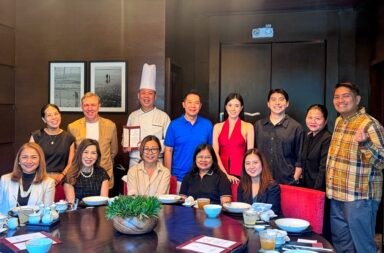
The program, which runs from April 21 to 24, 2026, brings together chefs, media, key opinion leaders, and tourism trade representatives to experience how community-driven tourism can be meaningfully integrated into established travel routes across the province.
“At Aboitiz InfraCapital Airports, we see tourism not just as movement, but as connection—with infrastructure such as Bohol-Panglao International Airport opening pathways for communities to share their stories, culture, and pride, and shape more meaningful travel experiences,” said Rafael M. Aboitiz, Vice President and Head of Airports at Aboitiz InfraCapital Airports.
For TPB Chief Operating Officer Maria Margarita Montemayor Nograles, the initiative underscores the importance of looking beyond surface-level tourism experiences.
“Tourism is not only about destinations, but about relationships—between people and place, between culture and environment, and between what we show the world and what we choose to preserve. In Bohol, we see how this balance can be achieved, where tourism becomes both meaningful and mindful,” Nograles said.
Food, Culture, and Everyday Life as Tourism Drivers
Throughout the CBT immersion, food emerges as a central thread that connects visitors to Bohol’s cultural and agricultural identity. Local ingredients and culinary traditions provide insight into the systems, livelihoods, and heritage that shape the province’s identity as a destination.
Rather than focusing solely on sightseeing, the program encourages a slower and more immersive form of travel—one that emphasizes engagement with people, stories, and everyday life.
Experiencing Bohol Beyond the Viewpoints
Across the itinerary, each stop offers a deeper layer of understanding:
The Loboc River becomes more than a scenic attraction, serving as a living connection to riverside communities where daily life, environment, and tradition intersect.
At Lasang Farm, visitors experience the rhythm of agricultural life, gaining insight into how planting, harvesting, and food preparation reflect the close relationship between livelihood and community.
In Tubigon, raffia weaving highlights the craftsmanship that continues to shape local identity, showcasing how cultural heritage is preserved through everyday practice.
Even at the Chocolate Hills, one of Bohol’s most recognizable landmarks, the experience shifts from visual appreciation to contextual understanding, enriched by local stories and community perspectives that give meaning to the landscape.
A More Meaningful Way of Experiencing Destination Bohol
Taken together, these experiences reflect a broader shift in how destinations like Bohol are being presented and understood. Community-based tourism adds depth to traditional travel by connecting visitors more closely with the people, food, traditions, and environments that sustain the province.
By integrating community narratives into tourism experiences, the initiative highlights a more inclusive and sustainable approach—one that allows travelers to engage with Bohol not just as a destination, but as a living, evolving community.