
The Philippine labor market is showing renewed confidence. Findings from Jobstreet’s Hiring, Compensation, and Benefits Report 2025 reveal that 44% of employers and HR professionals anticipate increased hiring activity in the latter half of 2025 compared to 2024. This outlook reflects employer optimism and strategic workforce expansion.
For enterprises, the projected rise in recruitment highlights stronger demand and opportunities for growth. However, accelerated hiring processes heighten the risk of insufficient applicant screening, which can lead to fraudulent applications entering the workforce.
Evidence from the Association of Certified Fraud Examiners (ACFE) indicates that organizations worldwide lose an average of 5% of their annual revenue to fraud. Within the Philippines’ dynamic job market, such risks can escalate business costs and disrupt organizational operations.
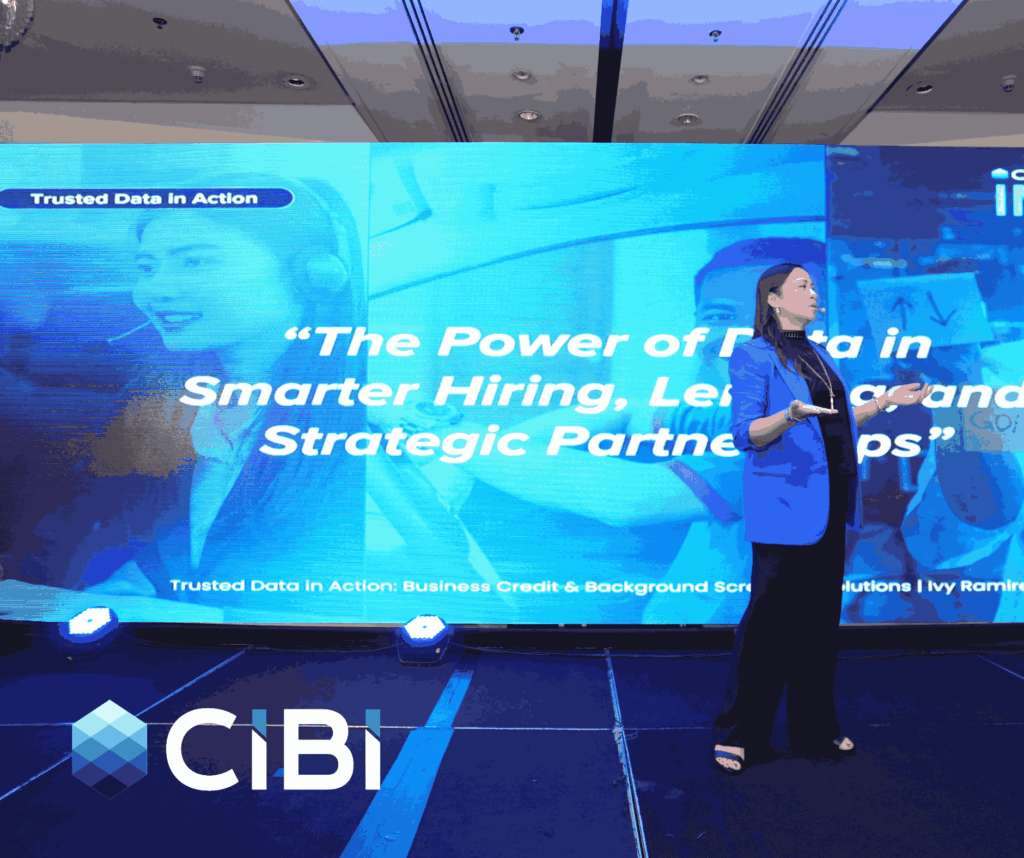
According to Ivy Ramirez, Vice President for Service and Industrials (S&I) at CIBI, “As hiring expands, so does the prevalence of fraudulent applications. Falsified credentials represent a form of deception that impacts businesses directly. Beyond financial loss, fraud diminishes productivity, weakens workplace trust, and harms corporate reputation. Proactive verification processes are therefore essential to preserve both organizational security and workforce integrity.”
The Rise of Fraudulent Risks
Fraudulent job applications are emerging as a serious challenge in today’s competitive labor market. Economic uncertainty, heightened competition, and the accessibility of online tools have made it easier for applicants to misrepresent their credentials. From inflating experience and inventing skills to falsifying education and even manipulating identities, these deceptive practices are becoming more common.
Though such acts may appear minor, their consequences for businesses are substantial. Hiring unqualified employees can result in productivity losses, wasted recruitment resources, compliance concerns, and reputational damage—particularly if external partners are affected.
The Demand for Stronger Safeguards
These risks underscore the urgency of adopting stronger, more proactive measures in recruitment. Traditional interviews and background checks are no longer sufficient to verify applicant information, especially as hiring volumes increase. Employers now need dependable systems that confirm not only the skills and credentials of candidates but also their integrity.
Enhanced verification safeguards do more than protect organizations—they also uphold fairness for honest candidates who may otherwise be overshadowed by fraudulent competitors. Transparent and reliable hiring practices foster trust between employers and employees, creating a stronger foundation for long-term success.
Pia Arellano, President and CEO of CIBI, stressed, “Growth is important, but it must go hand in hand with integrity. By embedding proactive verification into hiring, businesses protect themselves, their people, and ultimately the strength of the country’s labor market. Integrity in hiring is more than just a business process; it’s a public service.”
As the Philippines’ leading credit and information bureau, CIBI Information Inc. provides comprehensive background verification services tailored to the evolving risks of fraudulent applications. Its solutions include employment history validation, identity authentication, and certification checks—ensuring that hiring decisions are backed by verified and accurate data.
By integrating trusted systems like CIBI Workforce Solutions, companies can safeguard their recruitment investments, minimize risks, and secure the right talent. Proactive verification not only protects business operations but also strengthens the broader workforce—supporting a job market built on transparency, fairness, and resilience.