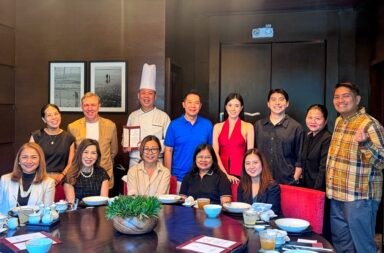
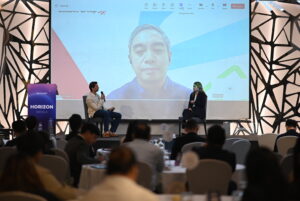
Manila, January 23, 2026 – GoComet convened senior supply chain leaders from top enterprises including Jollibee, IMI, Century Pacific Foods, and more at Manila Horizon 2026, held at Sheraton Manila Bay, to explore how artificial intelligence is reshaping logistics in the Philippines. The forum emphasized the shift from traditional tracking toward intelligence-led supply chains, where data, automation, and human judgment converge to boost resilience, agility, and operational efficiency.
From Visibility to Intelligence
In a market challenged by fluctuating port conditions and fragmented logistics networks, visibility alone is no longer enough. “Visibility tells you where things are. Intelligence tells you what to do next,” said Chitransh Sahai, Co-founder & CEO of GoComet. AI enables supply chains to plan proactively, flag risks early, and support faster, informed decision-making.
AI as a Human Enabler
Sahai highlighted that AI strengthens human judgment by automating monitoring, exception detection, and data consolidation. Teams are freed to focus on strategy, supplier collaboration, and scenario planning—making technology impactful without adding operational complexity.
Growing Momentum in the Philippines
Since its 2021 entry, GoComet has grown 2.5x annually in the Philippines, which now represents nearly 20% of its Southeast Asia portfolio. Local enterprises are increasingly adopting AI-driven platforms as strategic capabilities rather than just operational tools.
Toward Autonomous Logistics
At Manila Horizon, GoComet showcased its next-generation AI capabilities:
-
Incident Lens: Integrates live port, weather, and geopolitical signals for early disruption detection.
-
Viera: A conversational AI enabling teams to query logistics data in natural language and receive instant insights.
These tools convert millions of data points into prioritized, explainable actions, helping enterprises improve productivity by up to 2x, reduce freight costs by up to 30%, and increase inventory turnover by 17%.
Collaboration for Resilient Supply Chains
Leaders agreed that ecosystem collaboration—sharing data among enterprises, logistics providers, and tech platforms—will drive the next phase of supply chain transformation in the Philippines.
“AI is no longer the future of supply chains in the Philippines; it is already transforming how organizations anticipate risks, maintain service levels, and scale confidently,” Sahai concluded.